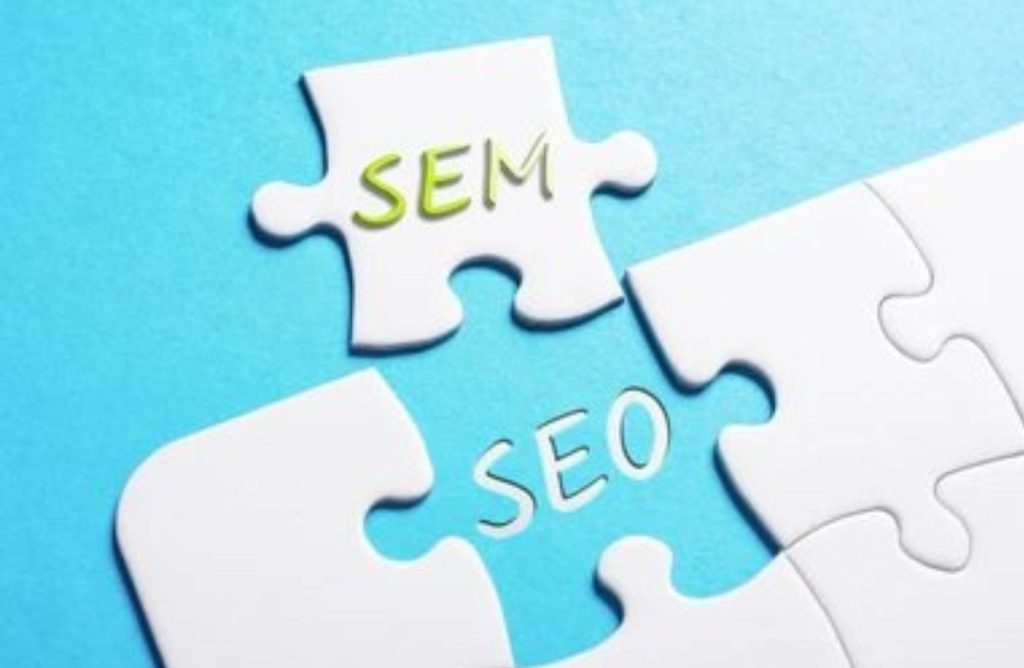
In this digital marketing era, two acronyms frequently club together. Well, they are none other than SEO (Search Engine Optimization) and SEM (Search Engine Marketing). While there obviously are certain similarities between them, the differences are hard to ignore as well. They both play their role in a subtle manner. Before understanding the difference between them, let us first briefly see what they are and their key components.
What is Search Engine Optimization?
It is a practice to enhance the website’s visibility on popular search engines like Google, Yahoo etc. in an organic manner. This involves optimizing various aspects of the website by inculcating relevant keywords that in turn will help the website rank higher in search engine result pages (SERPs). Some of its key components are,
- On-Page SEO
- Off-Page SEO
- Technical SEO
- Content Creation Etc.
These are the major components involved in Search Engine Optimization. These mostly involve optimizing the site such that it focuses on the best parts and achievements of the business.
What is Search Engine Marketing?
SEM is a broader term that encompasses various methods and strategies that are used to increase the website’s visibility apart from the organic methods. They also focus on the paid form of advertisements that help the company gain visibility at a faster rate as compared to the methods offered by SEO. Some of its key components are,
- Paid Search Ads
- Keyword Research
- Ad creation
- Campaign management etc.
These are the major components of Search Engine Marketing that are involved in the process. The peaked visibility helps create more footfall and hence, more sales.
Now that everything is said and done, let us understand the difference between the two of them to further provide clarity.
Key Differences:
- Time Frame: SEO is a long-term strategy that can take months to show significant results. SEM, on the other hand, can generate immediate traffic and visibility once a campaign is launched.
- Cost: SEO is generally known to be more cost-effective in the long run as the organic efforts put in bring lasting results and do not require payment for each click. Whereas, SEM has a PPC feature that involves ongoing costs as advertisers pay for each click their ads receive.
- Sustainability: SEO provides long-lasting results; once a site ranks high, it can maintain its position with consistent effort. SEM, however, is more short-term; once the ad campaign stops, so does the traffic from those ads.
- Click-Through Rate (CTR): Users gain more trust in organic results than the paid ones. This leads to more footfalls when SEO is involved more than SEM. However, SEM will offer a more prominent positioning by attracting immediate attention.
Conclusion
Both SEO and SEM are important components of digital marketing strategy. The correct addition of their advantages in proportions will lead the company to grow and build a strong foundation. It is very important for you to judge the pros and cons of both of them. Hiring a good agency for that will help you a lot in that case. A genuine one will help you with the advice and see what fits your business well. So it’s all about the right choice in the end! Go ahead and make a good choice!